A History of the Rocky Mountain Region
During the Thanksgiving holiday weekend of 1971, a group of cavers from the Vedawoo, Colorado State University, and Colorado School of Mines grottoes met during the annual pilgrimage of cavers to the Guadalupe Mountains of southern New Mexico. It was here that the idea of forming a Rocky Mountain Region in the National Speleological Society originated. Rebel Kuniansky (Vedawoo), Bruce Unger (Colorado State University), and Mark Maslyn (Colorado School of Mines) were the prime moving forces.
The idea drew wide support from the cavers of the Rocky Mountain states and an organizational meeting was held in Laramie, Wyoming with delegates from Utah, Wyoming, and Colorado. At this October, 1972 meeting, a constitution and bylaws were drafted and approved. By Christmas of that year, five grottoes had signed the forms chartering the region.
That same winter, the charter forms disappeared somewhere, and the idea of a region went into semi-dormancy. The interest remained however. A Rocky Mountain Pseudo-Region correspondent appeared for the NSS News, and slowly the momentum began to build again.
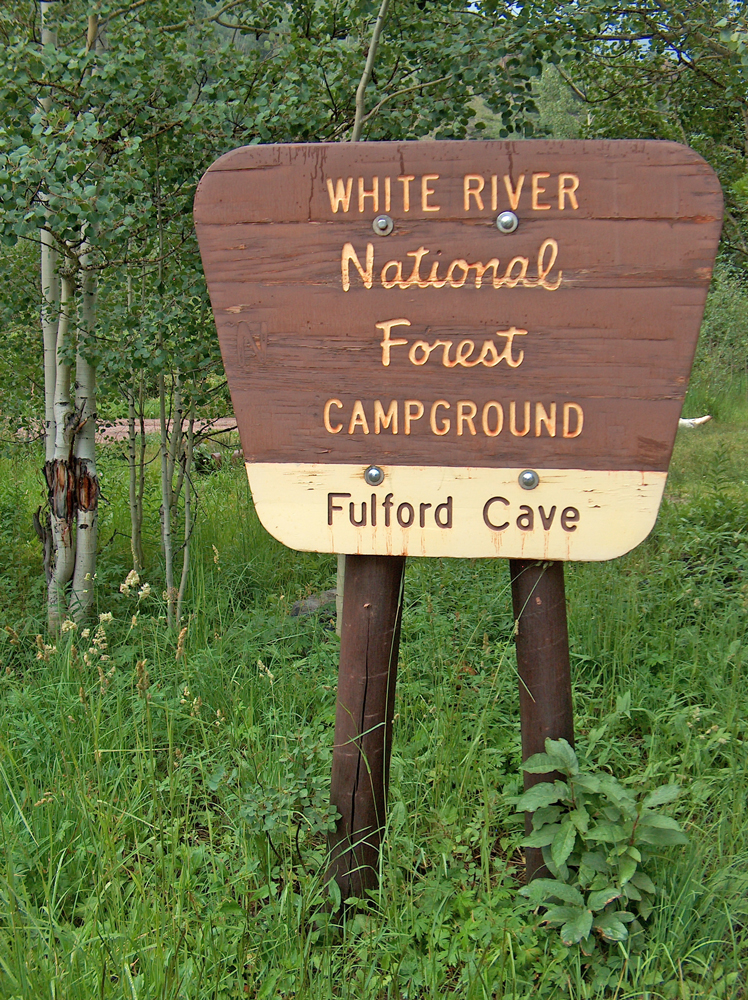
This culminated in the summer of 1975 when the Colorado and Colorado School of Mines grottoes jointly hosted a 4th of July Regional on the White River Plateau in northwestern Colorado. More than 80 cavers from Utah, Colorado, and Wyoming showed up, along with cavers from other states, for a weekend Extravaganza of cave trips and a hearty Saturday night spaghetti dinner. In the short business meeting that followed, representatives from the Salt Lake, Vedawoo, Colorado State University, Colorado, and Colorado School of Mines grottoes voted to officially charter the region.
The Rocky Mountain Region has been a chartered organization with the NSS ever since, hosting regional gatherings most years at different locations.
[Original content by R. Mark Maslyn, September 28, 1975]